

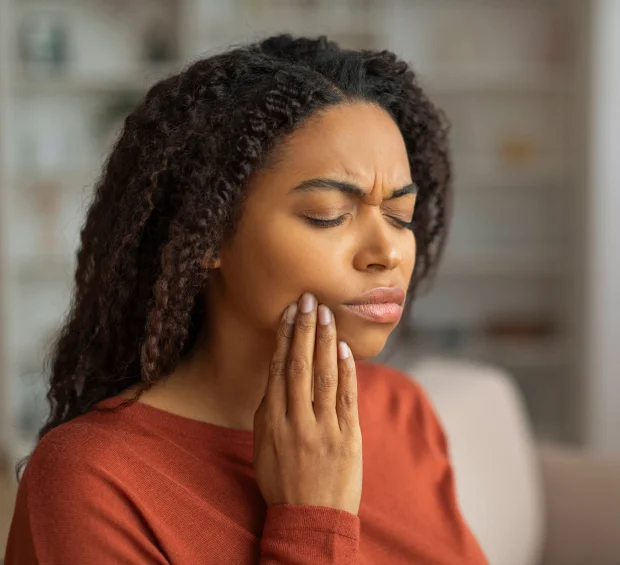
What Counts as a Dental Emergency
It is not always easy to tell whether a dental problem is urgent or can wait a day or two. As a general rule, sudden changes, ongoing discomfort, or injuries to the mouth deserve a prompt call to our office. Here are some common situations where we encourage you to reach out right away.
- Severe Toothache. Persistent or throbbing discomfort that does not ease up.
- Knocked-Out Tooth. A tooth that has been fully dislodged by a fall or impact.
- Broken or Cracked Tooth. A visible break, sharp edge, or chip that makes chewing difficult.
- Lost Filling or Crown. A restoration that has come loose or fallen out.
- Swelling or Bumps on the Gums. Puffiness, tenderness, or a pimple-like bump near a tooth.
If you are unsure, call us anyway. We would rather hear from you early than have a small problem grow.
Why Acting Quickly Matters
With many dental emergencies, time can make a real difference in the options available to you. A tooth that is seen promptly may have a better chance of being saved, and an infection that is caught early is often simpler to address. Waiting it out can allow a small problem to turn into a bigger, more involved one. Our team will talk with you about what you are experiencing and help you decide how soon to come in. A quick call is always a good first step.
What Happens When You Come In with an Emergency
We know you may feel worried or uncomfortable when you arrive, so we keep every step clear and calm. Here is how an emergency visit typically unfolds.
01
Call Ahead
Let our Honolulu office know what is happening so we can give you advice and get ready for you. We will tell you what to do in the meantime.
02
Quick Check-In
We ask a few questions about your symptoms, your health history, and any medications you take. This helps us understand the situation and keep you safe.
03
Focused Exam and X-Rays
Dr. Patel examines the affected tooth and the area around it. If needed, we take X-rays to see what is happening beneath the surface.
04
Comfort First
Before treatment begins, we make sure the area is numb and you feel as comfortable as possible. If you need a moment, just tell us.
05
Treating the Urgent Problem
Dr. Patel addresses the most pressing concern, whether that means relieving pressure, repairing or protecting a tooth, or removing one that cannot be saved. If a specialist is needed for a particular step, we will explain that clearly.
06
A Clear Plan for What Comes Next
We go over aftercare and any follow-up care you may need, such as a lasting repair. You leave knowing what to expect and who to call with questions.
First Aid Tips for While You Are on Your Way
A few simple steps can protect your tooth and keep you more comfortable until you reach our office. These tips are meant to help in the moment, and our team will guide you on the phone as well. Here are some helpful things to keep in mind.
- Rinse Gently. Use lukewarm water to clean your mouth and any tooth fragments.
- Handle a Knocked-Out Tooth with Care. Hold it by the crown, not the root, and keep it moist.
- Use a Cold Compress. Place it on the outside of your cheek to help with swelling.
- Skip the Chewing. Avoid biting on the affected tooth until we see you.
- Save Any Pieces. Bring broken fragments with you in a clean container.
If you have heavy bleeding, trouble breathing or swallowing, or a head injury, call 911 or go to the nearest emergency room first.
Repairs That Follow the Emergency
Emergency care often starts with solving the most urgent problem, and a lasting repair may come next. Once you are comfortable and stable, Dr. Patel will talk with you about the best way to restore the tooth. Depending on the situation, that may include a tooth-colored filling, a crown, a bridge, or a dental implant. We will explain each option, what it involves, and how it fits with your overall oral health. Our goal is to help you get back to eating, speaking, and smiling with confidence.
Do Not Wait Out a Dental Emergency
If something feels wrong with your teeth or gums, it is always better to ask than to guess. Contact Hawaii Pacific Dental Group, and our friendly Honolulu team will help you figure out the next step. We are here to listen and to help you feel better as soon as we can.
Call Us at 808-427-0008Frequently Asked Questions About Emergency Dentistry
Call Hawaii Pacific Dental Group as soon as you can and tell us what is going on. Our team will give you guidance and let you know how soon to come in. Try to stay calm, rinse gently with lukewarm water, and avoid chewing on the affected area. We will take it from there.
We encourage anyone with an urgent dental concern to call us, whether or not you have visited before. Our team will talk with you about your situation and do our best to help. If you are new, we will collect a bit of health history when you arrive. We want to make things as easy as possible.
Not always, but a toothache that is severe, constant, or comes with swelling or a bad taste should be checked promptly. Mild sensitivity may be able to wait a short time, though it is still worth a call. Dr. Patel can help you sort out what is causing it. When in doubt, reach out.
Pick the tooth up by the crown, which is the part you normally see, and avoid touching the root. Rinse it gently if it is dirty, and keep it moist, ideally in milk or inside your cheek if that is comfortable. Call us right away, since time matters in these situations. Our Honolulu team will tell you exactly what to do next.
In many cases, yes. Depending on the size and location of the break, options may include bonding, a filling, a crown, or another restoration. Dr. Patel will examine the tooth and explain what is possible. Bring any fragments you can find, and we will take a look.
Call our office so we can advise you and find the soonest opportunity to see you. In the meantime, avoid chewing on that side and keep the area clean. A temporary dental cement from a pharmacy can protect the tooth for a short while. Please do not try to glue the restoration back in yourself.
Go to the nearest emergency room or call 911 for heavy bleeding that will not stop, trouble breathing or swallowing, facial swelling that spreads, or a serious head or jaw injury. These situations need immediate medical care. Once you are stable, contact Hawaii Pacific Dental Group so we can help with your teeth and follow up with you.
Regular exams and cleanings help us catch small problems before they turn urgent. A custom mouthguard can protect your teeth during sports or active days around the island. It also helps to avoid chewing ice, hard candy, or opening packages with your teeth. Our team is happy to share more tips at your next visit.